

Your Road, Your Journey: Learning to Drive with a Disability
Learning to drive can open the door to greater independence, confidence and freedom. For people with disabilities, the road to driving may look different. This bulletin offers helpful tips, considerations and resources for individuals with disabilities and those supporting them as they explore the path to becoming safe, confident drivers.
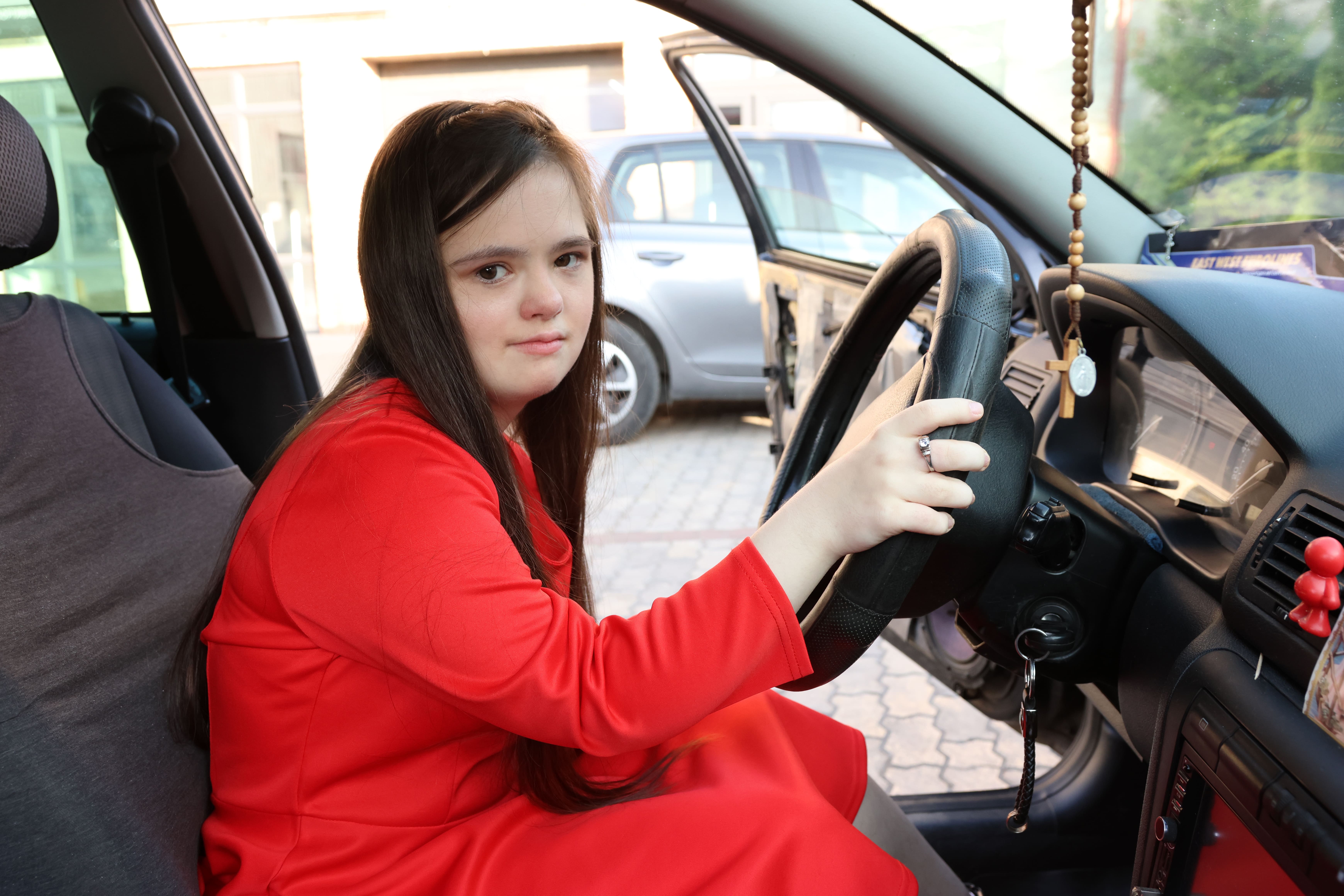
Learning to drive is an important milestone, but for people with disabilities, the road to driving may look different. With the right support, accommodations and instruction, people with a wide range of abilities can become safe, confident drivers.
The Road to Independence
Driving isn’t only about getting around; for many people with disabilities, it can be a symbol of freedom, autonomy, and inclusion: true empowerment! Access to the road can build confidence and independence, but getting there may require additional support and instruction based on each person’s individual needs.
Buckle Up! Here’s Where to Start
All drivers in Washington state must meet the same licensing and safety requirements, regardless of disability or need for accommodations. This includes passing the required knowledge and driving skills tests. Accommodations are available, visit: dol.wa.gov/about/access-and-inclusion/accessing-our-services
Getting Started
- Include driving goals in an Individualized Education Program (IEP) and/or person-centered plan (PCP), and follow up with a DDA case manager, when applicable.
- Seek the advice of a certified individual driving instructor or occupational therapist who has training in working with individuals with disabilities.
- Apply for a learner’s permit on the Washington State Department of Licensing (DOL) website or by visiting your local DOL office. www.dol.wa.gov/driver-licenses-and-permits/
- Enroll in a driver’s education course with a school that has experience working with individuals of all abilities.
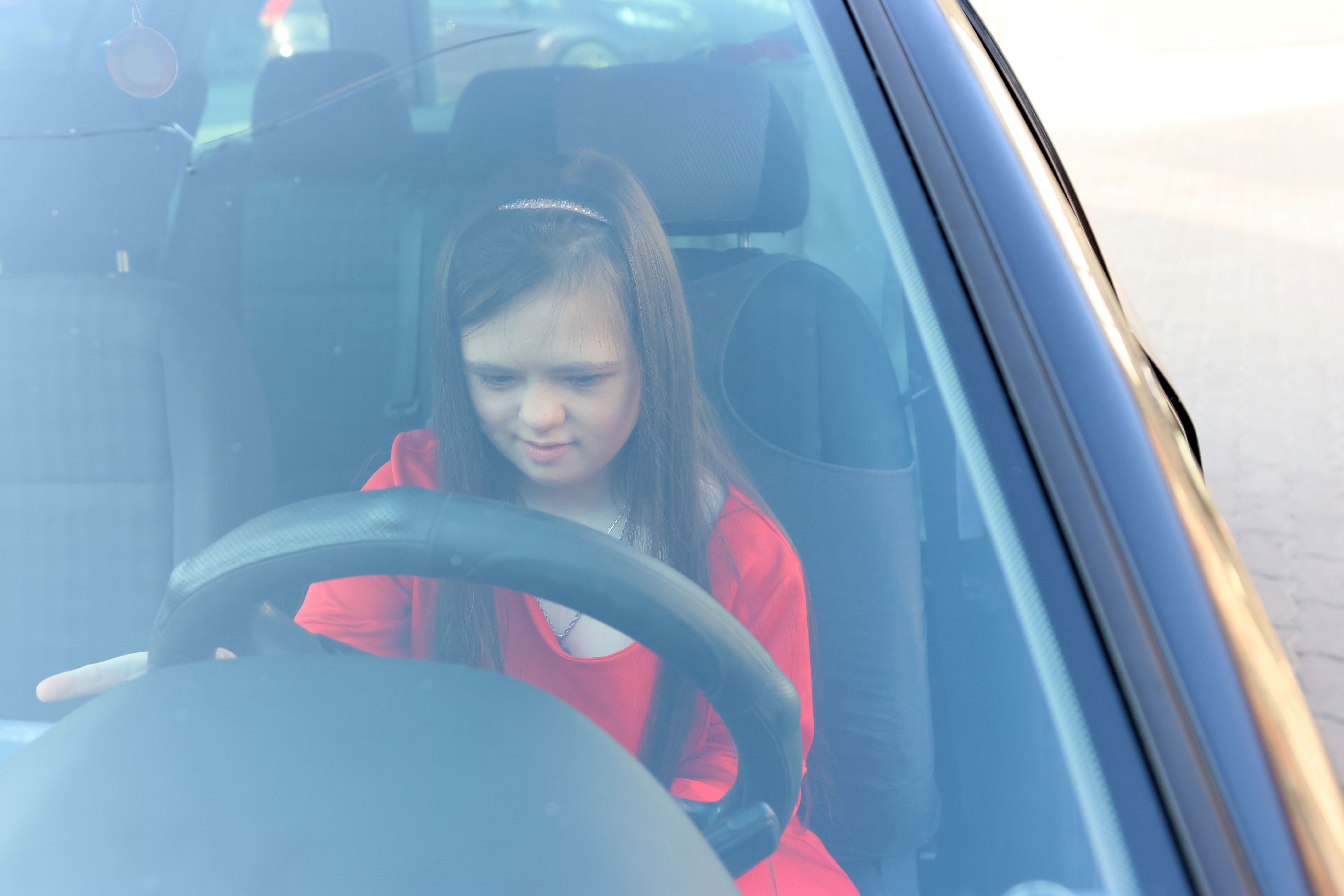
Getting in Gear: Things to Consider Before Driver’s Education
Whether you’re learning to drive or supporting someone who is, here are a few questions to consider before getting started. If you’re unsure about any of the answers, talk with a driving instructor or other professional about what support may be helpful.
- Does the person learning to drive consistently demonstrate good judgment and maturity at home, at school, at work or in the community?
- Are they open to feedback, instruction and learning new skills?
- Are they willing to practice driving with an experienced adult before driving independently? Is there a trusted adult willing and able to provide this support?
- Are there any medical, physical or behavioral conditions that could affect their ability to drive safely? If so, what additional supports or evaluations may be needed?
Your Next Stop: Helpful Resources
- Find a driver’s education course: dol.wa.gov/driver-licenses-and-permits/driver-training-and-testing/driver-training-schools-and-testing-locations
- Learn about disability designations on driver’s licenses: dol.wa.gov/driver-licenses-and-permits/update-driver-license-information/change-your-disability-or-medical-designation-driver-license-and-id-card
- Explore the Parent’s Supervised Driving Program: www.edrivermanuals.com/washington/
- Read the Washington Driver Guide, available in multiple languages: www.dol.wa.gov/driver-licenses-and-permits/driver-training-and-testing/driver-guides
- Learn about the Blue Envelope program: dol.wa.gov/driver-licenses-and-permits/blue-envelope-program
- Create a safe driving agreement: www.dol.wa.gov/forms/view/661401a
Prepared by Informing Families in collaboration with April Paccerelli from DP Driving School.
Learn more about our agency partner
Recent Bulletins
Looking for a complete list of bulletins?
Access our full archive of Bulletins by clicking the link below.